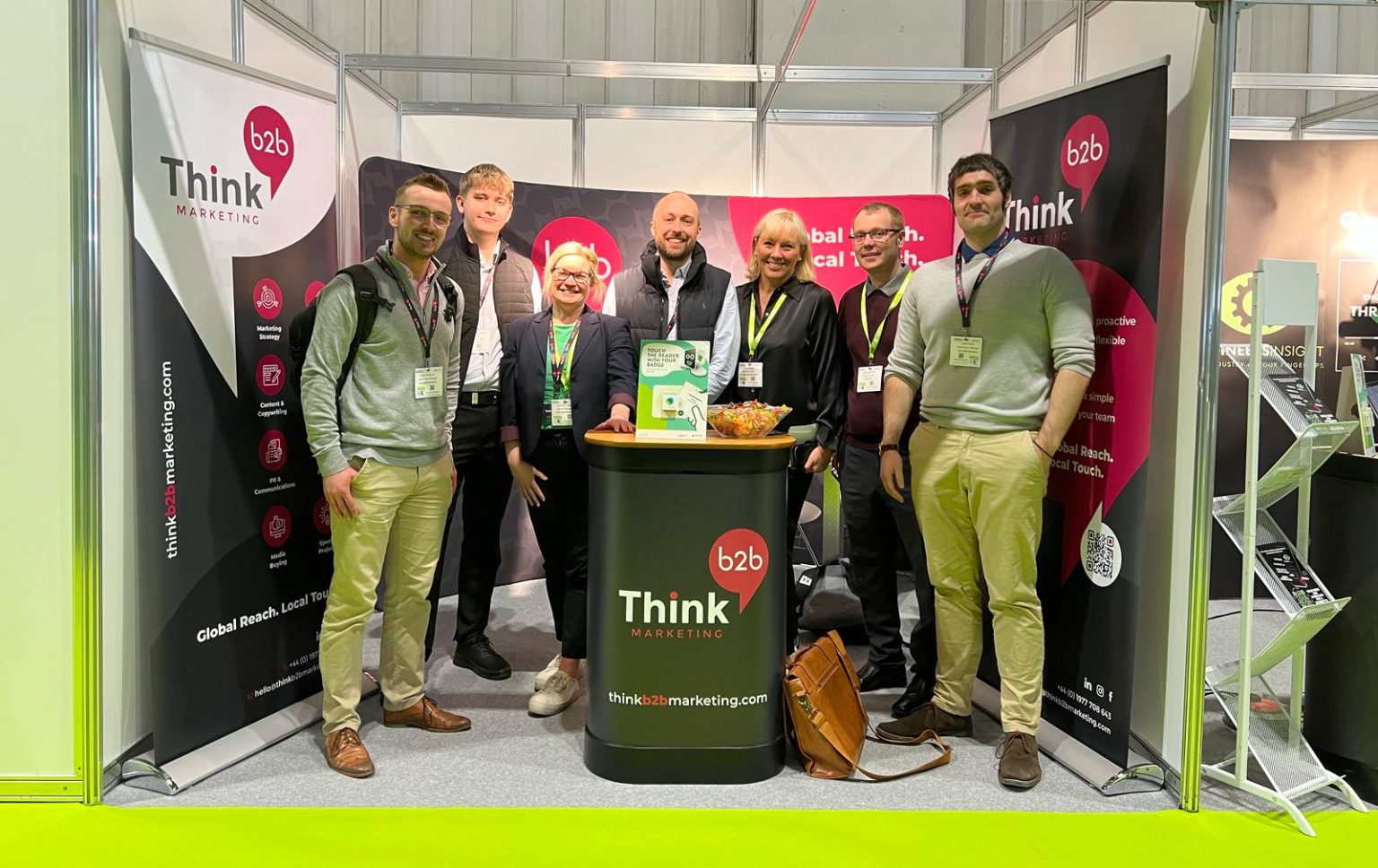
The buzz from Packaging Innovations & Empack 2025 at the NEC Birmingham is still fresh, and it’s clear that this year’s event provided plenty of food for thought for the packaging and marketing industries.
From hot debates on Extended Producer Responsibility (EPR) to bold sustainability claims, here are our key takeaways from the event.
EPR is causing uncertainty
The topic on everyone’s lips was Extended Producer Responsibility (EPR), and the tension in the room was palpable. The recently launched PackUK scheme administrator, created to oversee EPR implementation, became a focal point for discussion. This was highlighted by the panel looking at the role of the value chain in delivering EPR, which included an appearance from the Minister for Nature, Mary Creagh MP, pulling in arguably the biggest crowd of the event.
Attendees were keen for answers from PackUK, pressing for clarity on fees, reporting structures, and timelines. The unease stems from the significant financial burden EPR places on producers, with fees generating more than £1 billion annually to support local collection and recycling services, according to the government. Many expressed frustrations at the event over delays caused by industry lobbying and voiced concerns that the scheme may not effectively tackle waste reduction if it fails to drive producers away from hard-to-recycle materials.
One thing is clear and that is businesses are hungry for guidance, transparency, and practical solutions.
Culture of collaboration is growing
An increasing culture of collaboration is emerging, in part as a response to the EPR challenges as EPR shifts cost and accountability for packaging waste management onto producers, driving stakeholders across the supply chain to unite.
This culture of collaboration was demonstrated throughout the event during the talks and panels that took place. In his keynote, Miguel Arevalo, Google’s Packaging Innovation Lead, highlighted the power of open-sourced solutions, unveiling Google’s Plastic-Free Packaging Design Guide to encourage collective progress across the industry. While the panel on ‘Paperisation in Practice’ further reinforced the theme, showcasing how manufacturers, designers, and scientists are collaborating to advance fibre-based packaging solutions.
The message was clear that the future of packaging is collaborative.
Sustainability isn’t a phase
From the exhibition stands to speaker panels, sustainability dominated the conversation. Messaging around recyclable materials, circular economies, and carbon reduction filled the halls, making it clear that sustainability is here to stay. Companies showcased compostable packaging, refillable containers, and closed-loop solutions aimed at reducing environmental impact.
Consumer expectations are also driving this shift, with buyers demanding that brands and manufacturers commit to more sustainable practices and transparent reporting. It’s not just a trend; it’s a business imperative.
As was likely given the strong focus on sustainability, there were some bold claims to be found on the exhibition stands but there were well and truly in the minority. Statements like “100% recyclable”, “fully sustainable”, and “eco-friendly” could still be seen on some stands.
However, the raised eyebrows among industry experts and attendees who questioned whether these claims were backed by science or, somewhat clumsy attempts at marketing bravado, notes a promising shift in the conversation. And it reinforces that such claims need to be truthful and backed by science otherwise they risk undermining the entire conversation and efforts of the sector to be more sustainably focused.
Data and knowledge remain critical
The conversations around bold claims led to a broader discussion on the importance of data in the packaging industry. Without solid data, even the most ambitious sustainability statements can fall flat. Tey Bannerman from McKinsey Design highlighted how artificial intelligence (AI) is harnessing data to revolutionise packaging design. By analysing consumer trends and material performance, AI enables brands to create packaging that is not only visually striking but also more sustainable and functional. This data-driven approach ensures that packaging decisions are backed by real insights, allowing brands to make informed choices that align with sustainability goals and regulatory requirements.
The emphasis at Packaging Innovations 2025 was clear, robust data is essential to substantiate claims, improve transparency, and drive meaningful progress in sustainable packaging solutions. Without it, even the most innovative ideas risk losing credibility and failing to deliver on their promises. This is where having a knowledgeable marketing partner comes into play. A skilled agency can help brands communicate with transparency and credibility. Accurate data paired with effective messaging not only builds trust but also positions brands as leaders in their field.
The age of smart and inclusive packaging
As the technology available improves, industries need to improve with it. It was clear from Packaging Innovations, that our industry is indeed doing this – and then some. The newly introduced Smart Packaging Zone provided an immersive experience with cutting-edge technologies designed to enhance efficiency, improve sustainability, and deliver better consumer engagement.
The growing switch from bar codes to QR codes and innovative connected packaging solutions such as NFC chips, RFID tags, and augmented reality (AR) applications, that are revolutionising customer experiences and adding real-time tracking to products, were discussed and reviewed. While talks such as ‘Innovation Spotlight: How smart packaging will shape the future of brand experiences’ provided in-depth, real-world examples of these technologies contributing to better business performance. Their usage is only going to grow, that is without doubt.
The focus on customer experience was an interesting one because it went beyond the generic. Speaking with Miguel Arevalo after his talk he outlined how the ‘boomer’ generation is only going to grow in terms of market share as life expectancy increases so Google are looking at how they can tailor their packaging to fit the generation’s specific needs. This was built on further in the ‘Design for Good: How accessibility shapes better brands for the future’, which really drove home the message that the era of ‘one-size-fits-all’ for packaging is well and truly over. Packaging needs to be inclusive, otherwise you will be left behind.
A bright future
The event’s Future Trailblazers programme and Packaging Startup Awards, in partnership with ThePackHub, were both powerful reminders that the future of packaging is bright. Showcasing emerging talent, fresh perspectives, and groundbreaking innovation it highlighted how the next generation is shaping more sustainably focused, creative, and efficient solutions.
Each of the finalist’s passion, ingenuity, vision signals exciting possibilities for the industry and their enthusiasm for not only what they do, but what they can do was contagious.
Packaging Innovations 2025 made one thing clear, the packaging industry is evolving rapidly, and brands need to keep up. From tackling EPR challenges to embracing data-driven marketing strategies and nourishing young talent, businesses must stay informed, adaptable, and authentic.
As we navigate these changes, partnering with the right marketing experts can make all the difference. Think B2B Marketing is here to help brands cut through the noise and turn insight into impact. Get in touch to learn more.